
Roof Coating vs. Full Replacement
Roof Coating vs. Full Replacement
Which Makes More Financial Sense for Your Commercial Building?
A practical, numbers-based comparison for owners deciding whether to restore an existing commercial roof or tear it off and replace it.
The Key Question
Before you spend hundreds of thousands of dollars replacing a commercial roof, find out whether the existing roof is still structurally sound and dry enough to restore. A responsible restoration can preserve usable roofing materials, reduce tear-off and provide a renewable warranty - but coating is not the right answer for every roof.
Prepared by Draper Construction & Commercial Roofing
Commercial Roof Restoration | Spray Polyurethane Foam | Protective Coatings
Roof Coating vs. Replacement: Start With the Building
When a commercial roof starts leaking or reaches the end of its original warranty, many owners assume they have only two choices: keep repairing it or tear everything off and replace it.
There may be another option. If the existing roof is structurally sound and dry enough to restore, a professionally installed commercial roof coating system may extend the useful life of the roof for substantially less than complete replacement.
At Draper Construction & Commercial Roofing, our goal is not to automatically sell a coating or a replacement. Our job is to determine the best long-term solution for the building.
Our Approach
Do not tear off a good roof - and do not coat a bad one.
A Real 30,000 Sq. Ft. Cost Example
Consider a 30,000-square-foot commercial roof that is structurally sound and qualifies for restoration. Actual pricing varies by condition, repairs, preparation, access, substrate and project requirements, but the following planning example illustrates the difference clearly.
| Option | Approximate Price per Sq. Ft. | Total for 30,000 Sq. Ft. |
|---|---|---|
| 10-Year Renewable | ~$4.00/sq. ft. | $120,000 |
| 15-Year Renewable | ~$4.50/sq. ft. | $135,000 |
| 20-Year Renewable | ~$5.00/sq. ft. | $150,000 |
| Full Replacement | ~$10.00/sq. ft. | $300,000 |
In this example, the initial difference compared with full replacement is approximately $180,000 for the 10-year restoration, $165,000 for the 15-year restoration and $150,000 for the 20-year restoration.
These figures are budgeting examples, not project quotations. Roof condition and required repairs can materially change pricing.
The Biggest Long-Term Advantage: Renewable Warranties
A Draper roof restoration is not designed to become a disposable roof system when the original warranty period ends. Depending on the roof and selected system, Draper offers 10-, 15- and 20-year renewable warranty options.
At the end of the warranty period, an eligible roof can be inspected. If the system remains in serviceable condition, the roof can typically be power washed, prepared as necessary, repaired where needed and receive a new protective top coat.
Renew Instead of Replace
The renewal top coat is typically less costly than the original restoration because the major restoration work has already been completed. The goal is to keep the existing roof in service rather than automatically tearing it off at the end of each warranty cycle.
Two Very Different Ownership Cycles
| Traditional Replacement Cycle | Renewable Restoration Cycle |
|---|---|
| Install -> Age -> Remove -> Replace | Restore -> Protect -> Inspect -> Power Wash -> Recoat -> Renew |
For owners planning to keep a building long term, that renewable cycle can materially change lifecycle roofing costs and reduce repeated tear-off.
Why Replace a Roof That Can Still Be Restored?
A commercial roof may look old at the surface while much of the roofing assembly underneath remains functional. The building may still have a structurally sound deck, serviceable insulation, a stable existing roof system and dry roofing materials across most of the building.
If those components are still performing properly, tearing everything off may mean disposing of roofing materials that still have useful service life. Restoration allows us to preserve what is working, repair what is not and protect the roof with a new renewable system.
What Is a Commercial Roof Coating Restoration?
A professional restoration is much more than simply painting the roof white. A properly designed system may include:
- Roof inspection and moisture evaluation
- Cleaning and surface preparation
- Removal and replacement of isolated wet roofing materials
- Seam, flashing and penetration repairs
- Fastener treatment on metal roofs
- Primer where required
- Reinforcement at critical details
- Specified base coat and protective top coat
Depending on the existing roof and project requirements, restoration systems may use acrylic coatings, silicone coatings, urethane coatings, Spray Polyurethane Foam or a combination system. The correct solution depends on the building.
What Types of Commercial Roofs Can Be Restored?
- TPO
- EPDM
- Modified Bitumen
- Built-Up Roofing
- Existing Spray Foam Roofing
- Commercial Metal Roofing
- Certain previously coated roofs
Every existing roof must be evaluated before determining whether restoration is appropriate.
When Roof Coating Is a Smart Option
- The roof deck is structurally sound.
- The majority of the existing insulation is dry.
- The existing roofing system remains securely attached.
- Existing leaks can be identified and properly repaired.
- The existing surface can be cleaned and prepared for acceptable adhesion.
- Drainage is acceptable or can be appropriately corrected.
- The owner wants to reduce unnecessary tear-off and disruption.
- The owner values a system that can be renewed rather than automatically replaced.
When We Will NOT Recommend Coating Your Roof
Sometimes replacement is the correct answer. A roof coating is only as good as the roofing system underneath it. Draper may recommend replacement instead of restoration when we find conditions such as:
1. Widespread Wet or Saturated Insulation
A new coating should not simply trap significant moisture inside the existing roof. Localized wet areas may often be removed and replaced, but widespread saturation can require substantial tear-off or complete replacement.
2. Structural Roof Deck Damage
Severe corrosion, rust-through, deteriorated wood decking, damaged concrete or other structural problems must be repaired. Coating the surface does not correct structural deterioration underneath it.
3. An Unstable or Poorly Attached Existing Roof
The existing roof must provide a suitable foundation. If the underlying system is loose, unstable or inadequately attached, coating the surface does not solve the attachment problem.
4. Extensive Roof-System Failure
Localized deterioration may be repairable. Widespread membrane failure, severe deterioration, extensive delamination or other large-scale problems may make replacement the better solution.
5. Failed Adhesion Testing
A restoration system must properly bond to the existing roof. If acceptable adhesion cannot be achieved after proper preparation, another roofing solution should be considered.
6. Major Drainage or Structural Problems
A coating alone cannot correct every drainage issue. Some roofs require additional slope, redesigned drainage, structural work or other major modifications.
7. Code or Existing-Layer Limitations
Applicable building codes, manufacturer requirements and the existing roof assembly must allow the proposed restoration or recover approach.
8. When Restoration No Longer Makes Financial Sense
A roof may technically be repairable, but if preparation and repair costs approach the cost of replacement, Draper will discuss that openly with the property owner.
The Honest Rule
We do not want to coat a roof that should be replaced - and we do not want to replace a roof that can responsibly be restored.
Why Moisture Testing Matters
You cannot reliably determine the condition of every layer of a commercial roof simply by standing on top of it. A roof can look relatively good from above while concealing wet insulation underneath. It can also look terrible at the surface while the majority of the underlying assembly remains dry and capable of being restored.
Depending on the project, evaluation may include visual inspection, core samples, infrared moisture surveys, electronic moisture testing, adhesion tests, deck inspection and drainage evaluation.
The Objective
Do not tear off a good roof - and do not coat a bad one.
What Happens to Wet Areas Before Coating?
Finding some wet insulation does not necessarily mean the entire roof must be replaced. If moisture is localized, affected sections can often be identified and removed. Wet roofing and insulation are taken out, dry replacement materials are installed and the repaired areas are tied back into the existing system before restoration.
That is why a moisture survey can be so valuable: instead of replacing 30,000 square feet because a small portion has a problem, the owner may be able to correct the affected areas and preserve the rest of the roofing investment. Every roof must be evaluated individually.
Roof Replacement Has Its Place
There are absolutely situations where removing the existing roof and starting over is the right decision. Replacement provides the opportunity to address severely damaged decking, widespread wet insulation, inadequate insulation, major drainage redesign, multiple failed roofing layers, structural problems and significant attachment issues.
The objective is not to avoid replacement at all costs. The objective is to avoid unnecessary replacement.
Do Not Compare Only the Initial Price
Suppose one contractor quotes a restoration and another quotes a full replacement. Price matters, but the scope behind the number matters just as much.
Before choosing, ask:
- What condition is the existing insulation in?
- How much wet roofing must be removed?
- What surface preparation is included?
- What coating type and thickness are being installed?
- What manufacturer is behind the system?
- What warranty term is included - 10, 15 or 20 years?
- Is the warranty renewable, and what is required to renew it?
- What drainage or ponding issues are being addressed?
- How are rooftop equipment, penetrations, seams and flashings handled?
- Who is installing the system and what training or accreditation do they hold?
A low-price coating applied over a roof that should have been replaced is not a bargain. Neither is tearing off a roof that could have been professionally restored.
The Best Roof Is the One That Solves the Building's Problems
At Draper Construction, commercial roofing begins with the building - not with the product. We evaluate water intrusion, moisture, insulation, drainage, structure, existing roofing, ownership goals and budget before recommending a system.
Possible Recommendations
Repair | Restore | Recoat | Spray Foam | Replace
Why Choose Draper Construction?
Roof restoration is a specialty. The contractor needs to understand not only coatings, but also the roofing assembly underneath them. Draper Construction & Commercial Roofing specializes in commercial roof restoration and Spray Polyurethane Foam roofing systems.
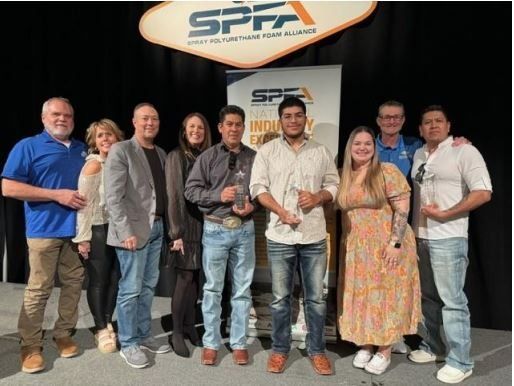
Our team has earned national industry recognition for SPF and commercial roof restoration work, and Draper is an SPFA PCP Accredited Contractor. Our goal is to find the solution that makes sense for the property, not to sell an owner a roof system the building does not need.
Before You Replace Your Commercial Roof...
Let Us Determine Whether You Actually Need To.
On a 30,000 sq. ft. roof, our planning example shows:
| Option | Cost |
|---|---|
| 10-Year Renewable Restoration | $120,000 |
| 15-Year Renewable Restoration | $135,000 |
| 20-Year Renewable Restoration | $150,000 |
| Illustrative Full Replacement | $300,000 |
Get a Free Commercial Roof Assessment
(405) 972-5199 | draper.construction
Before you commit to a full roof replacement, let Draper determine whether your existing roof can be RESTORED, RENEWED AND KEPT IN SERVICE.
Happy To Do It :-) | #TheDraperDifference
Frequently Asked Questions
How much does it cost to coat a 30,000-square-foot commercial roof?
As a Draper planning example, a 10-year renewable system at approximately $4.00/sq. ft. would be about $120,000; a 15-year system at approximately $4.50/sq. ft. would be about $135,000; and a 20-year system at approximately $5.00/sq. ft. would be about $150,000. Actual pricing depends on roof condition, repairs, preparation, access and system requirements.
How much would it cost to replace the same roof?
Using an illustrative replacement cost of approximately $10.00 per square foot, a 30,000-square-foot roof would be approximately $300,000. Actual replacement costs can be higher or lower depending on the existing assembly and project conditions.
What happens when the coating warranty expires?
The roof does not automatically need to be torn off or replaced. If the system remains in acceptable condition, it can typically be inspected, power washed, prepared, repaired as necessary and receive a new protective top coat. This can renew the warranty at a lower cost than the original restoration.
Does Draper offer different roof-coating warranties?
Yes. Depending on the roof and selected system, Draper offers 10-, 15- and 20-year renewable warranty options.
Does every old roof qualify for coating?
No. Roofs with widespread moisture, structural deterioration, unstable roofing assemblies or other significant underlying problems may require partial or complete replacement.
Can you coat over a leaking commercial roof?
Possibly, but the leaks must first be diagnosed and the underlying roof evaluated. Wet insulation and damaged roofing materials should be removed or repaired before the restoration system is installed.
Can TPO, EPDM or metal roofs be restored?
Many TPO, EPDM and commercial metal roofs can be restoration candidates when the existing roof is compatible, properly prepared and in acceptable condition. The exact system depends on substrate and project requirements.
What if only part of the insulation is wet?
Localized wet insulation can often be mapped, removed and replaced before restoring the remaining roof. Widespread saturation may make complete replacement the more responsible option.
How do I know whether to coat or replace my roof?
The decision should be based on roof condition, moisture, adhesion, structure, drainage, compatibility and the economics of the required repairs - not age alone.
Important Cost Disclaimer
The dollar amounts in this guide are examples for comparison and budgeting purposes only and are not project quotations. Roof restoration and replacement costs vary based on existing conditions, substrate, moisture, required repairs, surface preparation, roof access, drainage, penetrations, warranty selection, code requirements and other project-specific factors. A roof inspection and project-specific scope are required before final pricing can be provided.