
Systems Rebuilt Without Complete Tear-Off
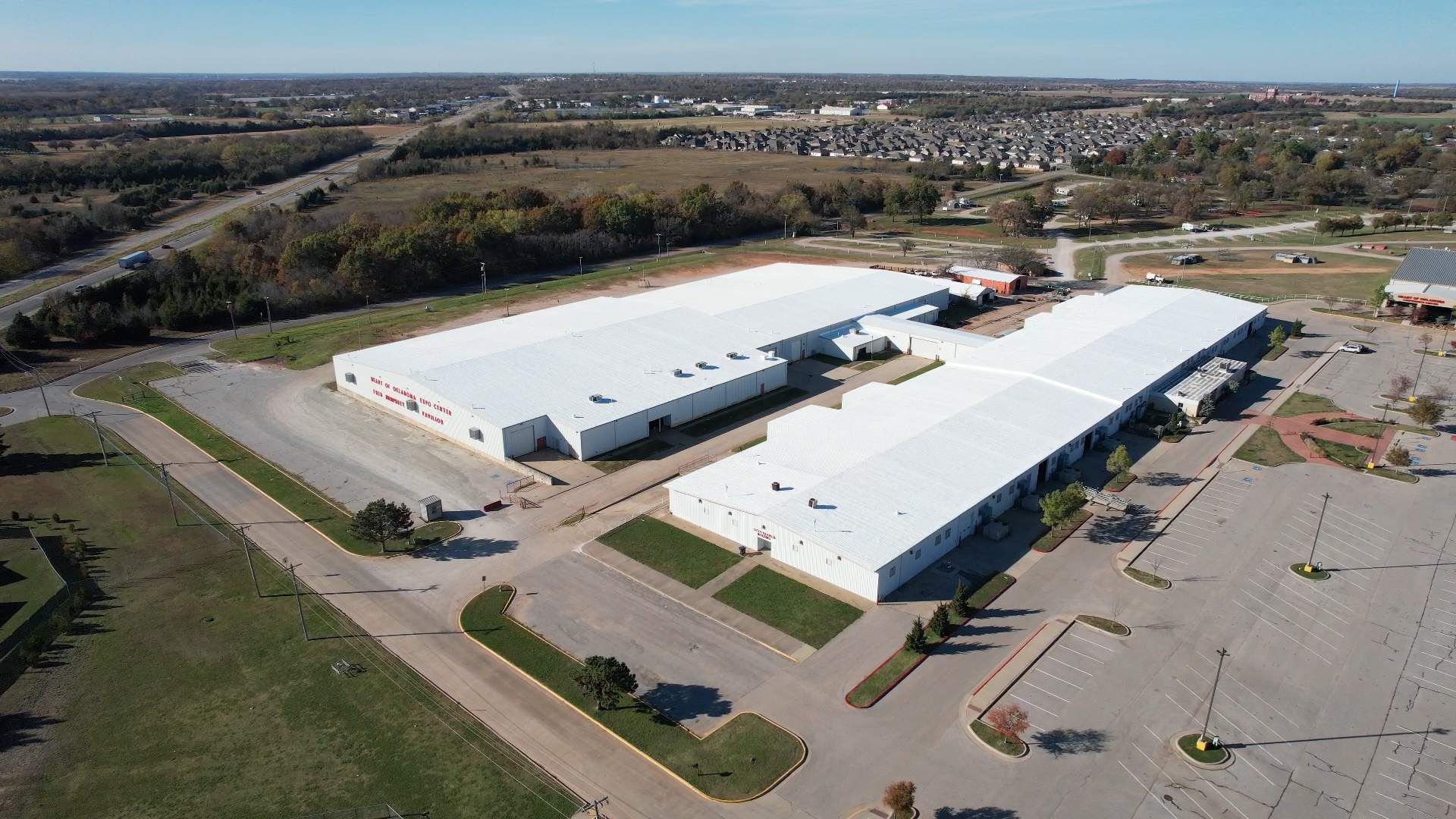
Metal Roof Restoration in Oklahoma City for facilities where fastener failure and panel corrosion threaten weather-tightness
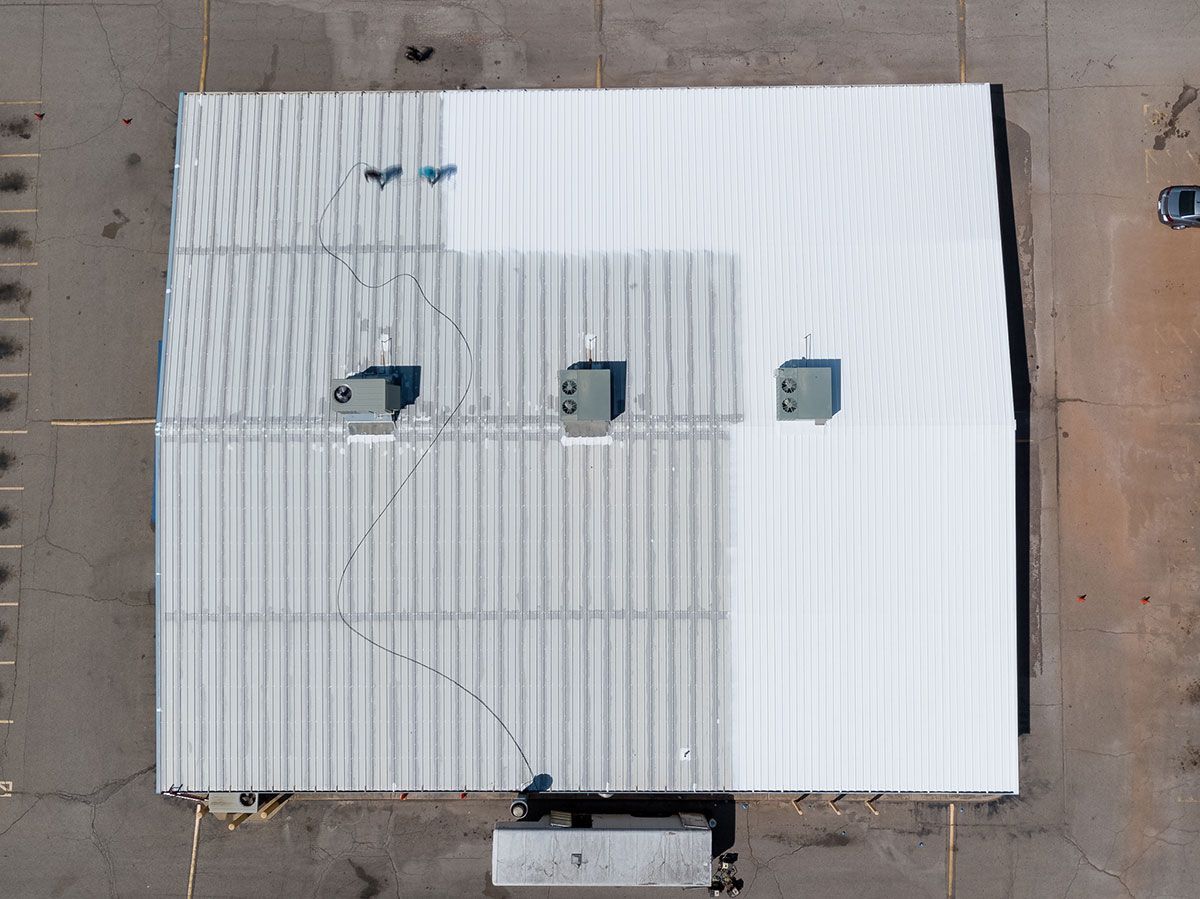
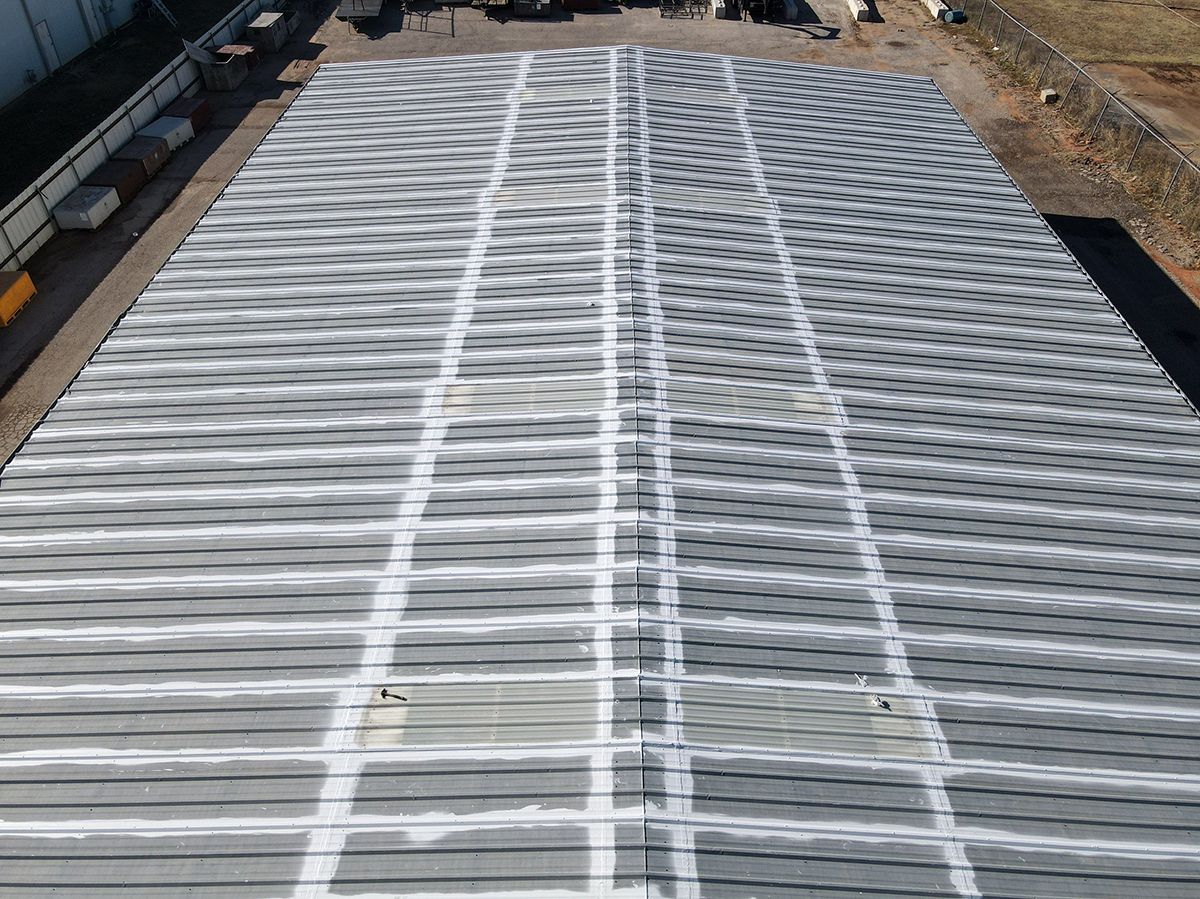
Oklahoma's wide temperature swings cause metal panels to expand and contract daily, working fasteners loose over years of thermal cycling until panels lift during windstorms and water enters around backed-out screws. Metal roof restoration addresses these failures by removing failed fasteners, sealing all penetrations and seams with elastomeric systems, and applying protective coatings that stop rust progression while securing panels against future movement. You'll notice the difference immediately when wind events no longer cause panel noise or leaks, and rust stains stop appearing on interior ceilings below fastener rows.
Restoration makes sense when panels themselves remain structurally sound but the attachment system and weather seals have degraded. Draper Construction & Commercial Roofing evaluates panel gauge, remaining metal thickness at corrosion points, and fastener pull-out resistance to determine whether restoration will provide another fifteen to twenty years of service or if panel replacement has become necessary due to advanced deterioration.
Request an engineering assessment to measure remaining panel integrity and identify which restoration approach matches your roof's current condition.
Metal roofs are our specialty
Call today for help
(405) 972-5199
Why Fastener Replacement Precedes Coating
Failed fasteners are removed and replaced with larger-diameter screws installed slightly offset from original holes, biting into sound material rather than spinning in enlarged or stripped holes. Seam overlaps receive butyl tape or elastomeric caulking to stop capillary water movement between lapped panels, then mechanical seaming or riveting in high-stress areas where wind uplift concentrates. Rust is wire-brushed or ground back to stable metal, treated with rust-inhibiting primer, and built up with filler to create smooth surfaces before coating application begins.
After restoration completes, panels remain tight during wind events because the new fastener pattern and reinforced seams resist uplift forces that loosened the original attachment. Water stops entering at panel overlaps and fastener penetrations because sealants and coatings create continuous barriers across all vulnerable transitions. The roof surface temperature drops significantly due to reflective coating, reducing the thermal cycling that originally caused fastener back-out and extending the interval before the next maintenance cycle becomes necessary.
Restoration doesn't fix structural issues like inadequate purlins, insufficient slope causing water ponding, or impact damage from hail that has creased panels. Buildings with skylight or HVAC curb penetrations have those flashing systems rebuilt during restoration since original installations often used sealants that have hardened and separated after decades of UV exposure and temperature extremes.
Common Questions About Restoration Projects
Determining whether to restore or replace involves comparing the cost and lifespan extension of restoration against the longer service life that new panels provide.
What metal panel conditions are too far gone to restore?
Panels with rust perforation creating holes larger than a quarter-inch diameter, or metal thinned below eighteen gauge through corrosion, typically require replacement because coating systems can't restore structural strength or bridge large openings without risk of future failure.
How does restoration differ from simple coating?
Restoration includes structural repairs like fastener replacement, seam reinforcement, and rust removal before any coating is applied, whereas simple coating assumes the underlying attachment and panel condition remain sound enough to last another decade without mechanical intervention.
What warranty coverage applies after restoration?
Material warranties from coating manufacturers typically run ten to fifteen years when application follows their specifications, with workmanship warranties covering fastener installation and seam sealing for five years, though coverage excludes damage from severe weather events or structural failures unrelated to the restoration work.
How long does a restored metal roof last?
Properly executed restoration extends roof life by fifteen to twenty years, with longevity depending on original panel quality, how aggressively rust was addressed, and whether drainage problems contributing to corrosion were corrected during the restoration process.
Why do costs vary significantly between restoration projects in Oklahoma City?
Panel accessibility, existing rust severity, whether equipment must be relocated for work access, and the specific coating system selected all affect labor hours and material costs, with detailed condition assessment required before accurate pricing can be developed for each facility's unique situation.
Draper Construction & Commercial Roofing performs fastener pull tests and panel thickness measurements to establish restoration feasibility before proposing scope and system selection. Arrange a site evaluation to receive documentation of current roof condition with recommendations comparing restoration options against full panel replacement based on your building's expected service life and operational requirements.