
Complete Systems Built for Decades of Service
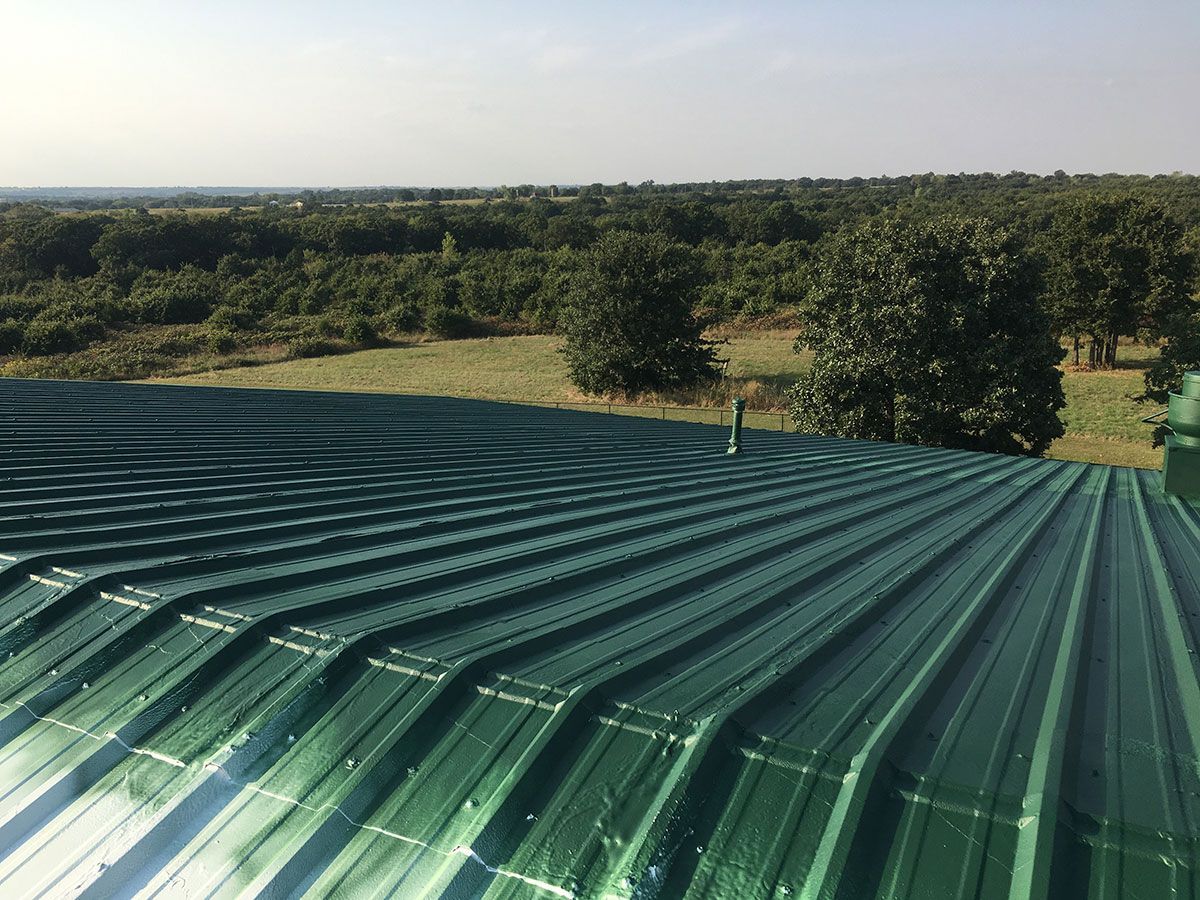
New Roof Installation in Oklahoma City for structures requiring total replacement after membrane failure or building additions
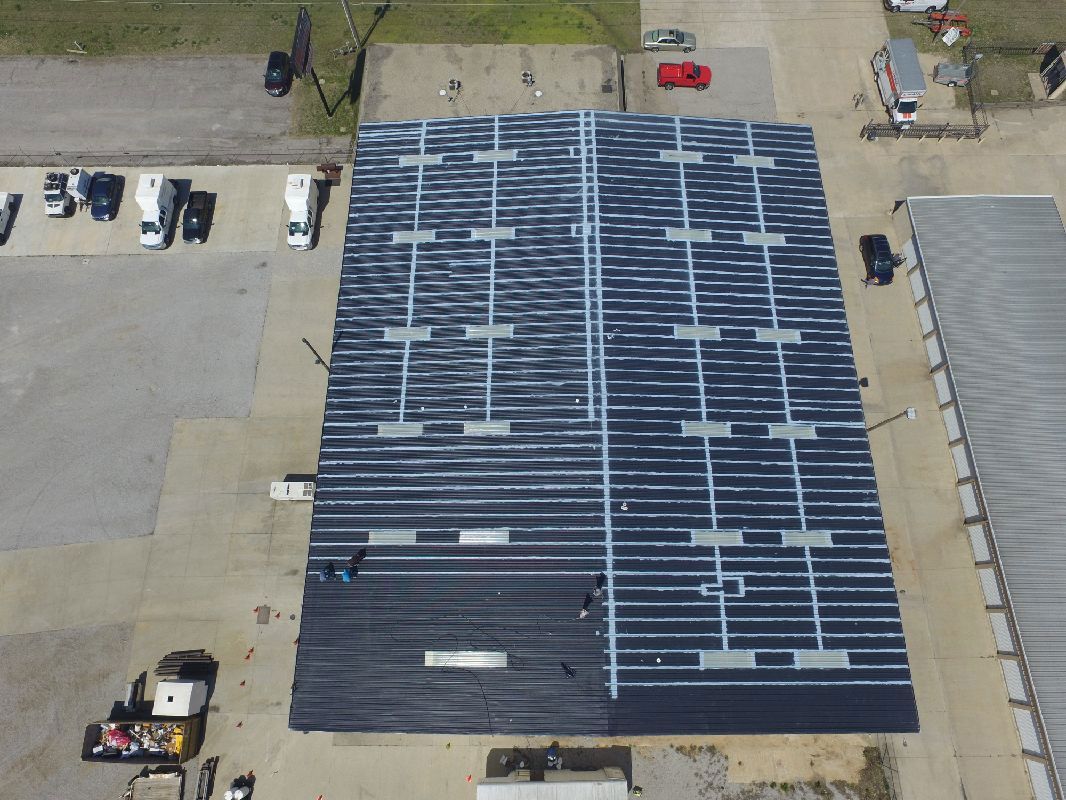
Buildings reach the point where patching and coating no longer make economic sense, typically when insulation has become saturated across large areas or the roof deck itself shows structural deterioration from repeated leaks. New roof installation removes all compromised materials down to the structural deck, replaces damaged sections, and builds up a complete system with fresh insulation and membrane designed for another twenty to thirty years of weather protection. What changes immediately is the elimination of emergency leak calls and the interior damage cycles that disrupt business operations and degrade inventory or equipment.
Draper Construction & Commercial Roofing handles tear-off, deck repair, insulation installation, and membrane application across Oklahoma City commercial properties. The process involves evaluating deck fastening to ensure structural adequacy, installing tapered insulation to correct drainage problems that contributed to the old roof's failure, and selecting membrane systems appropriate for the building's use and exposure conditions. Oklahoma's severe weather patterns—including hail, high winds, and dramatic temperature swings—require membrane attachment methods that exceed minimum code requirements to prevent blow-off during storm events.
Schedule a comprehensive roof assessment to determine replacement scope and compare system options based on your building's structural capacity and performance needs.
Need a new commercial roof?
Call us now for an estimate
(405) 972-5199

What Changes After Installation Completes
Tear-off exposes the roof deck for inspection, revealing rust perforation in metal decks or rot in wood substrates that wasn't visible from below. Damaged sections are cut out and replaced with new material fastened to structural supports, creating a sound base for the new system. Polyisocyanurate or EPS insulation boards are mechanically fastened or adhered in layers, with joints staggered to prevent thermal bridging, then topped with a cover board that protects the insulation from fastener back-out and provides a smooth substrate for membrane installation.
Once the new membrane is fully installed—whether TPO, EPDM, PVC, or modified bitumen depending on building requirements—the roof sheds water uniformly toward drains and scuppers without the ponding that plagued the old system. Interior spaces stay dry during rainstorms because the membrane has no aged seams or patched holes where water could penetrate. Building heating and cooling costs often drop noticeably because new insulation provides full design R-value instead of the diminished performance of old, compressed, or moisture-damaged material.
New roof installation doesn't address underlying structural slope problems unless tapered insulation is added to create positive drainage, so water management design is incorporated during planning rather than trying to correct it later. Buildings with rooftop HVAC units or other equipment have those supports evaluated and upgraded if needed to meet current load requirements and prevent future penetration failures.
Answers to Frequent Installation Questions
System selection involves balancing upfront costs against expected lifespan, maintenance requirements, and how well different membranes handle your building's specific exposure conditions.
How long does commercial roof installation take?
Tear-off and installation timelines depend on roof size and complexity, but most projects progress at a rate of two thousand to four thousand square feet per day once material staging is complete, with weather delays built into scheduling since membrane installation requires dry conditions and temperatures within manufacturer specifications.
What membrane type lasts longest in Oklahoma City?
PVC and TPO single-ply membranes offer twenty-five to thirty-year lifespans when properly installed, with welded seams that outperform adhesive or mechanical seam attachment in areas subject to high wind and thermal cycling common across central Oklahoma.
How is the building protected during tear-off?
Tear-off typically proceeds in sections small enough to be re-covered by day's end, with temporary tarping available for overnight protection if weather threatens, and interior spaces monitored for debris or water intrusion throughout the process.
What happens to the old roofing material?
Most tear-off debris goes to landfills, though metal panels and some membrane types can be recycled depending on contamination levels, with disposal costs included in project pricing and job site cleanup performed daily to prevent debris accumulation that creates safety hazards or wind-blown litter.
Why does insulation thickness vary across projects?
Building energy codes mandate minimum R-values based on climate zone, but owners often exceed minimums to reduce operating costs, with thicker insulation requiring taller edge metal and cricket fabrication around penetrations to maintain proper flashing heights and drainage paths.
Draper Construction & Commercial Roofing provides detailed specifications comparing system options with projected costs and lifespan data. Contact us to review your building's structural drawings and current roof condition, allowing accurate scope development and material selection tailored to your facility's specific requirements and budget parameters.