
Flat Roofs Built to Reflect Heat
Elastomeric Roof Coating in Oklahoma City for commercial buildings with heat-absorbing membrane systems
Oklahoma City experiences temperature swings that stress flat and low-slope commercial roofs, causing membrane systems to expand and contract repeatedly throughout the year. Draper Construction & Commercial Roofing applies elastomeric roof coatings designed to withstand this constant movement while reflecting heat that would otherwise degrade underlying materials. Buildings with aging EPDM, modified bitumen, or metal roofing see extended system life when coated with high-solids elastomeric formulations that cure into flexible, seamless barriers.
The coating process involves surface preparation that removes debris, repairs active leaks, and ensures proper adhesion across the entire roof plane. Elastomeric coatings stretch up to 400 percent without cracking, accommodating the thermal movement that causes conventional roof systems to fail prematurely in climates with hot summers and sudden temperature drops. The reflective properties reduce surface temperatures by as much as 50 degrees compared to uncoated membranes, lowering cooling costs and reducing thermal shock to the roof substrate.
Schedule a roof assessment to determine if your existing membrane is a suitable candidate for coating application.
Schedule your roof coating today
Call (405) 972-5199
What Happens During the Coating Process
Application begins with pressure washing to remove dirt, algae, and oxidized material that would prevent the coating from bonding. Flashing details, seams, and penetrations receive reinforcing fabric embedded in base coats before the topcoat is spray-applied across the entire roof surface. The coating cures into a monolithic membrane that seals existing seams and fasteners, eliminating the leak points common in mechanically attached systems.
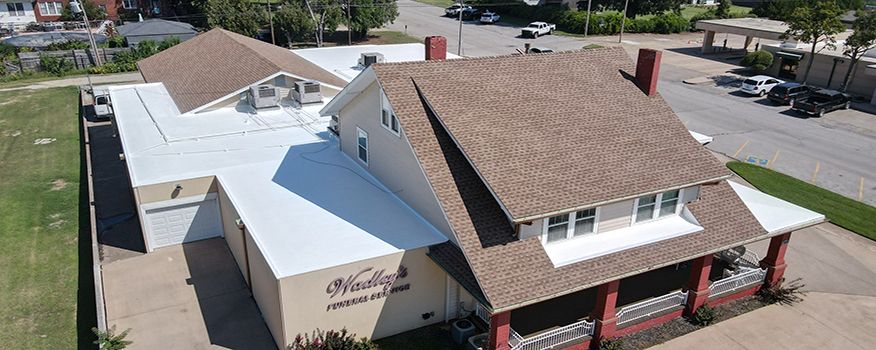
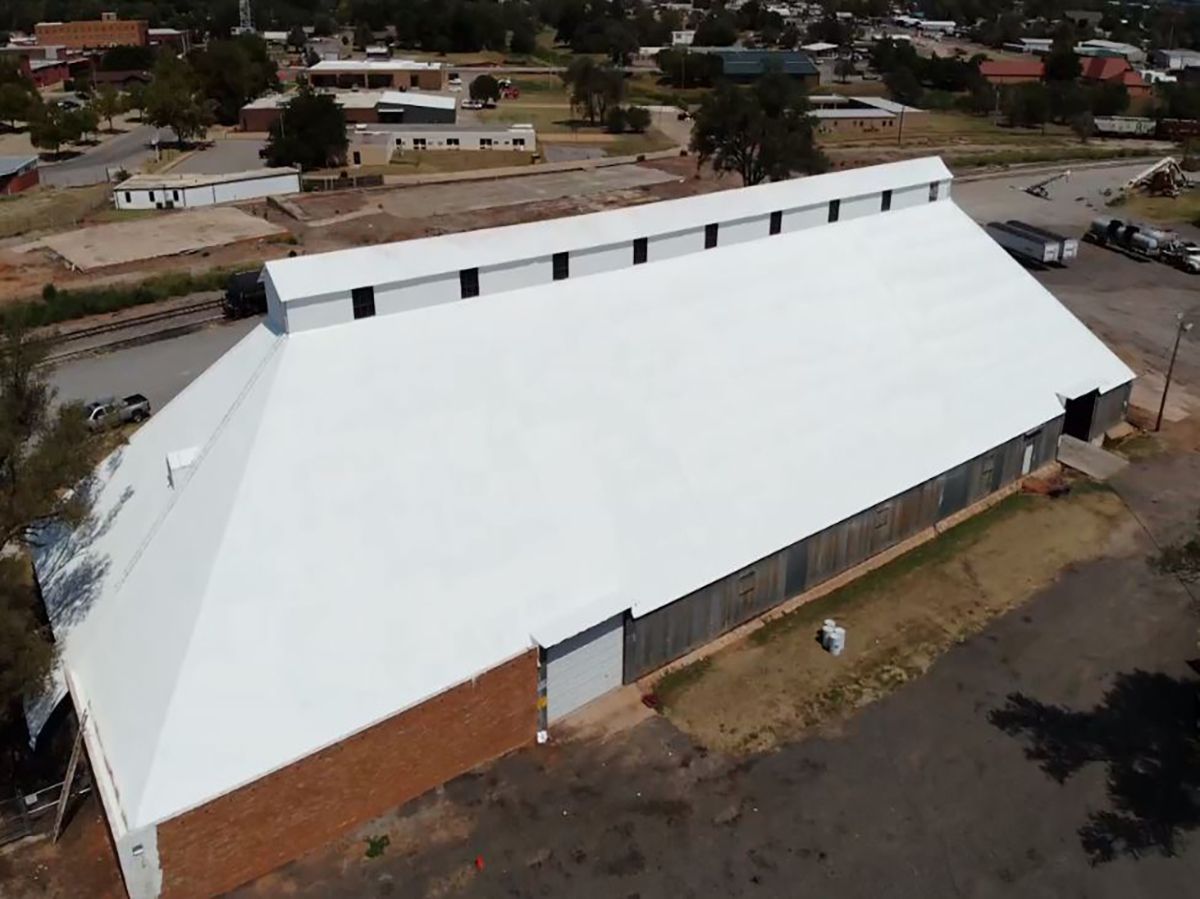
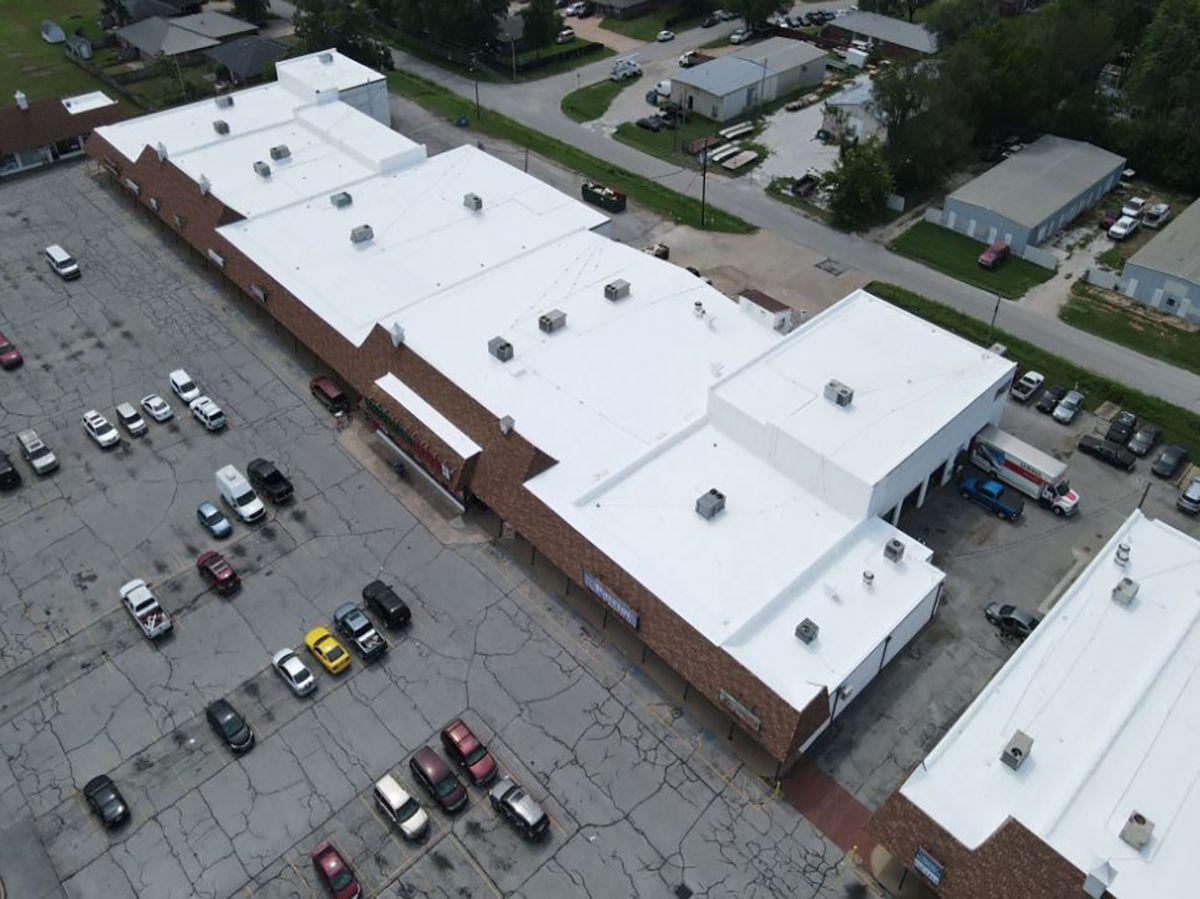
Once cured, the roof surface appears uniformly white or light gray, with a texture that resists ponding water and UV degradation. Rain no longer penetrates seams or fastener holes, and interior ceiling stains stop appearing after storms. The coating remains flexible through freeze-thaw cycles, so membrane splits and edge lifting no longer occur as temperatures fluctuate between winter lows and summer highs.
Coating thickness typically ranges from 20 to 40 mils depending on substrate condition, with heavier applications over deteriorated areas to level the surface. Draper Construction & Commercial Roofing inspects substrate compatibility before selecting acrylic, silicone, or polyurethane formulations, as each coating type adheres differently to metal, rubber, and modified bitumen surfaces.
What Building Owners Ask Before Coating
Property managers and facility owners in Oklahoma City often have questions about how elastomeric coatings perform in regional weather conditions and how the process affects building operations.
How long does the coating take to cure?
Most elastomeric coatings cure within 24 to 48 hours depending on temperature and humidity, though full adhesion develops over several days as solvents evaporate and polymers cross-link.
What roof types work with elastomeric coatings?
Single-ply membranes like TPO and EPDM, modified bitumen, spray foam, and metal roofing all accept elastomeric coatings when properly cleaned and primed, though heavily deteriorated substrates may require tear-off instead.
How does coating compare to replacement costs?
Coating typically costs 30 to 50 percent less than full roof replacement and extends system life by 10 to 15 years when applied to structurally sound substrates with minimal moisture intrusion.
Why does ponding water matter for coating performance?
Standing water prevents proper curing and can rehydrate acrylic coatings, so low areas require tapered insulation or additional drainage before coating to prevent premature failure.
When should coating be reapplied in Oklahoma City?
Inspection every five to seven years determines when recoating is needed, as UV exposure and weathering gradually thin the coating layer and reduce reflectivity over time.
Draper Construction & Commercial Roofing evaluates substrate condition and moisture levels before recommending coating systems, ensuring the existing roof structure can support additional service life. Contact the office to arrange a roof inspection and receive a detailed coating specification based on your building's current membrane system.