

Stopping Leaks Before Structural Damage Spreads
Roof Repair in Oklahoma for commercial properties with active leaks, storm damage, and membrane failures
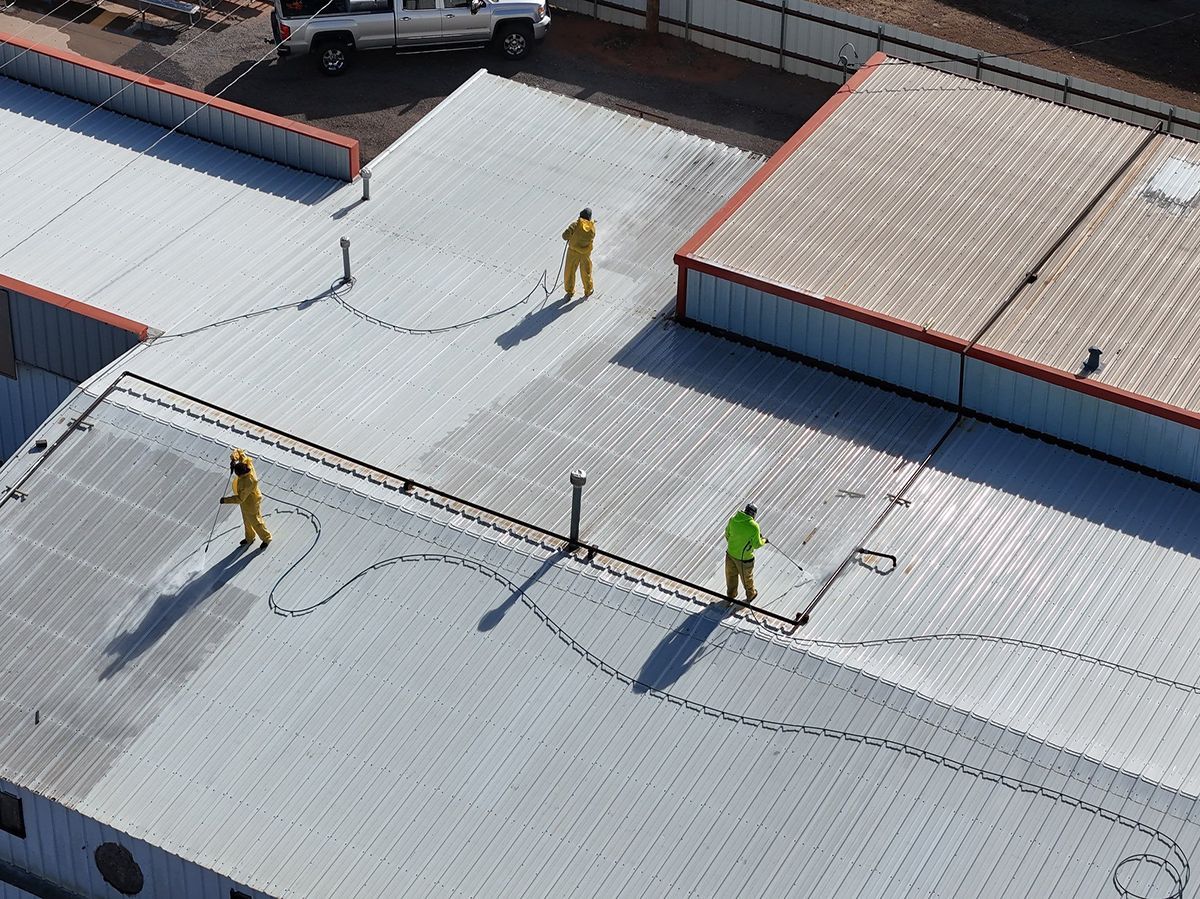
A visible water stain on the ceiling indicates that moisture has already penetrated the roof membrane, traveled through insulation, and saturated the deck structure before dripping into the occupied space below. By the time you notice interior water damage, the roof system has typically been compromised for weeks or months, allowing hidden deterioration to progress within the building envelope. Draper Construction & Commercial Roofing performs emergency and planned roof repairs that locate the actual entry point, address underlying damage, and restore the waterproof barrier before interior damage expands into mold growth, ceiling collapse, or electrical hazards.
Roof repairs range from patching small punctures and resealing flashings to replacing entire sections of membrane and insulation where water saturation has compromised structural integrity. The repair scope depends on how long the leak has been active, whether the deck has rotted, and if the insulation has retained moisture that prevents proper adhesion of new materials.
Request an emergency roof inspection to identify all leak sources and assess the extent of damage within the roof assembly.
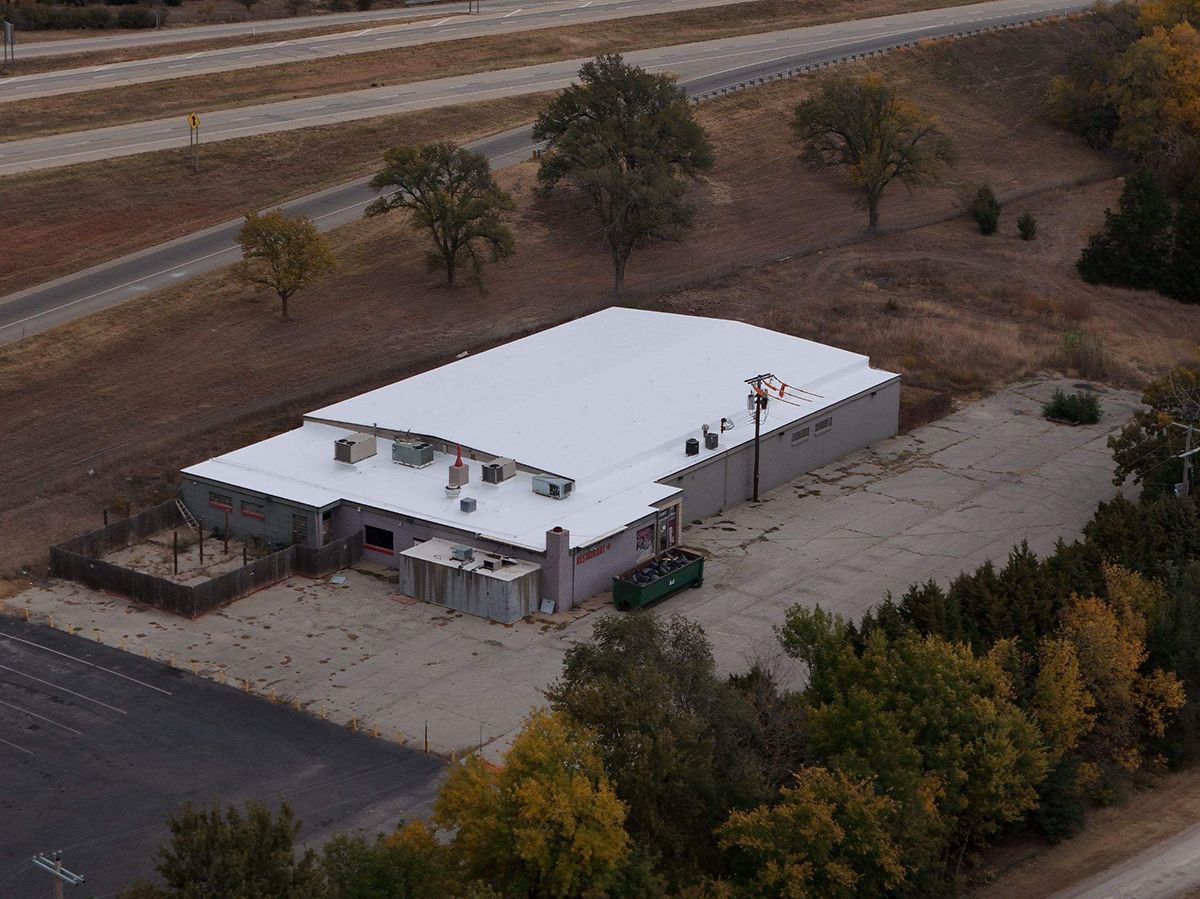
Don’t let a small repair turn into a replacement
Act fast - we’re here to help
Call (405) 972-5199
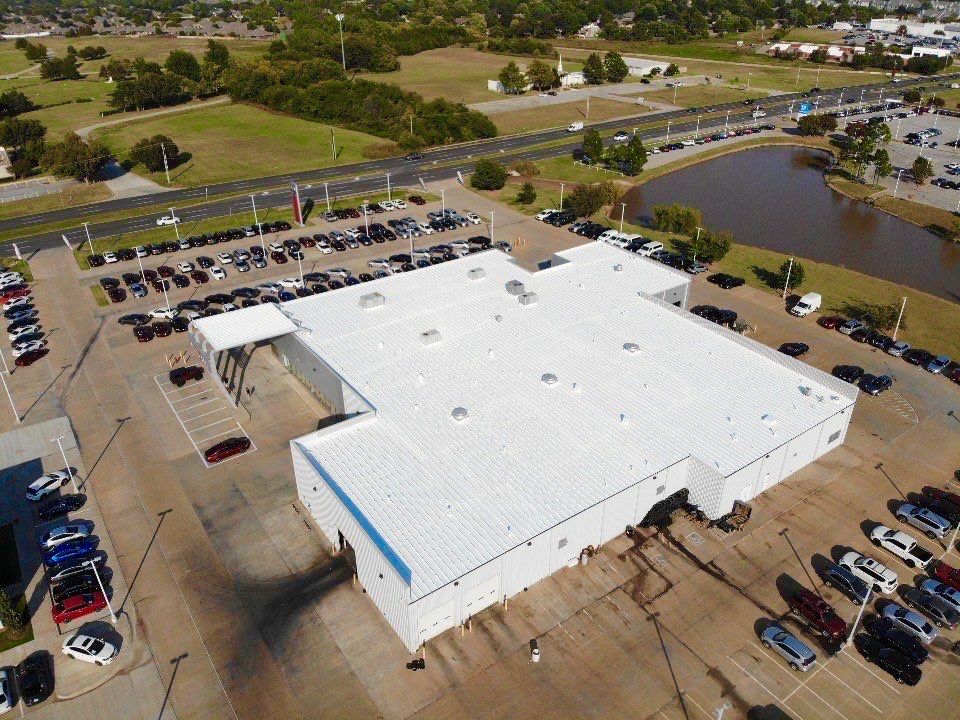
Why Roof Problems Happen and How to Stop Them
Most commercial roof leaks originate at flashings, penetrations, and seams where different materials meet and thermal movement creates stress points that eventually separate or crack. Wind-driven rain forces water under membrane edges and through fastener holes, while hail impact creates punctures that may not leak immediately but allow moisture infiltration during subsequent storms. Repairs involve cutting out damaged membrane sections, removing wet insulation, treating any rust or decay on the deck surface, installing new insulation and membrane, and heat-welding or adhering the patch to the surrounding roof system to create a watertight bond.
Once repairs are completed, active leaks stop, interior staining no longer spreads after rain events, and the affected area dries out as moisture evaporates from the building structure. However, unrepaired leaks allow continuous water entry that saturates insulation, reduces R-value, promotes microbial growth, and eventually leads to deck failure requiring far more extensive structural work than the original membrane repair would have involved.
Temporary tarping or sealant application may stop immediate water entry during emergency situations, but permanent repairs require proper membrane installation and flashing details that match the existing roof system. Quick fixes often fail within months because they don't address the underlying cause of the leak or provide adequate adhesion and weatherproofing to withstand Oklahoma wind and temperature cycles.
Questions Before Starting Your Project
Property managers dealing with roof leaks want to understand what the repair process involves and how to prevent recurrence in other roof areas.
How do you locate the actual leak source when water appears far from the entry point?
Moisture meters and infrared cameras identify saturated areas within the roof assembly, then visual inspection traces the water path back to the penetration or membrane failure where water originally entered. Interior stains rarely align with the roof leak location due to water traveling along structural members before dripping through the ceiling.
What determines whether a roof section can be patched or needs complete replacement?
If the leak has been active long enough to saturate insulation or rot the deck, replacement of the affected section becomes necessary because wet insulation won't dry adequately and compromised deck structure cannot support new membrane. Small, recently developed leaks with dry substrates typically accept patch repairs.
Will repairing one leak prevent other areas from failing?
Repairs address specific failure points but don't extend the overall membrane lifespan. If one section has failed due to age or weather exposure, other areas with similar conditions may develop leaks in the near future, making comprehensive roof assessment valuable for long-term planning.
How quickly can emergency repairs stop active leaks in Oklahoma buildings?
Response time depends on weather conditions and contractor availability, but temporary weatherproofing can often be installed within hours of contact to prevent further water intrusion. Permanent repairs follow once materials are sourced and conditions allow proper installation.
What maintenance prevents the types of failures that require repair?
Biannual inspections that clean drains, reseal penetrations, and address minor membrane damage before leaks develop extend roof life significantly. Keeping documentation of repairs and inspections helps identify patterns that indicate when full roof replacement becomes more cost-effective than continued patching.
Draper Construction & Commercial Roofing responds to emergency leak calls and provides detailed damage assessment that identifies all affected areas requiring attention. Arrange an inspection to determine the full scope of necessary repairs and receive documentation for insurance claims when storm damage is involved.