
Protection That Extends Membrane Service Life
Commercial Roof Coatings in Oklahoma City for aging systems showing surface wear and minor deterioration
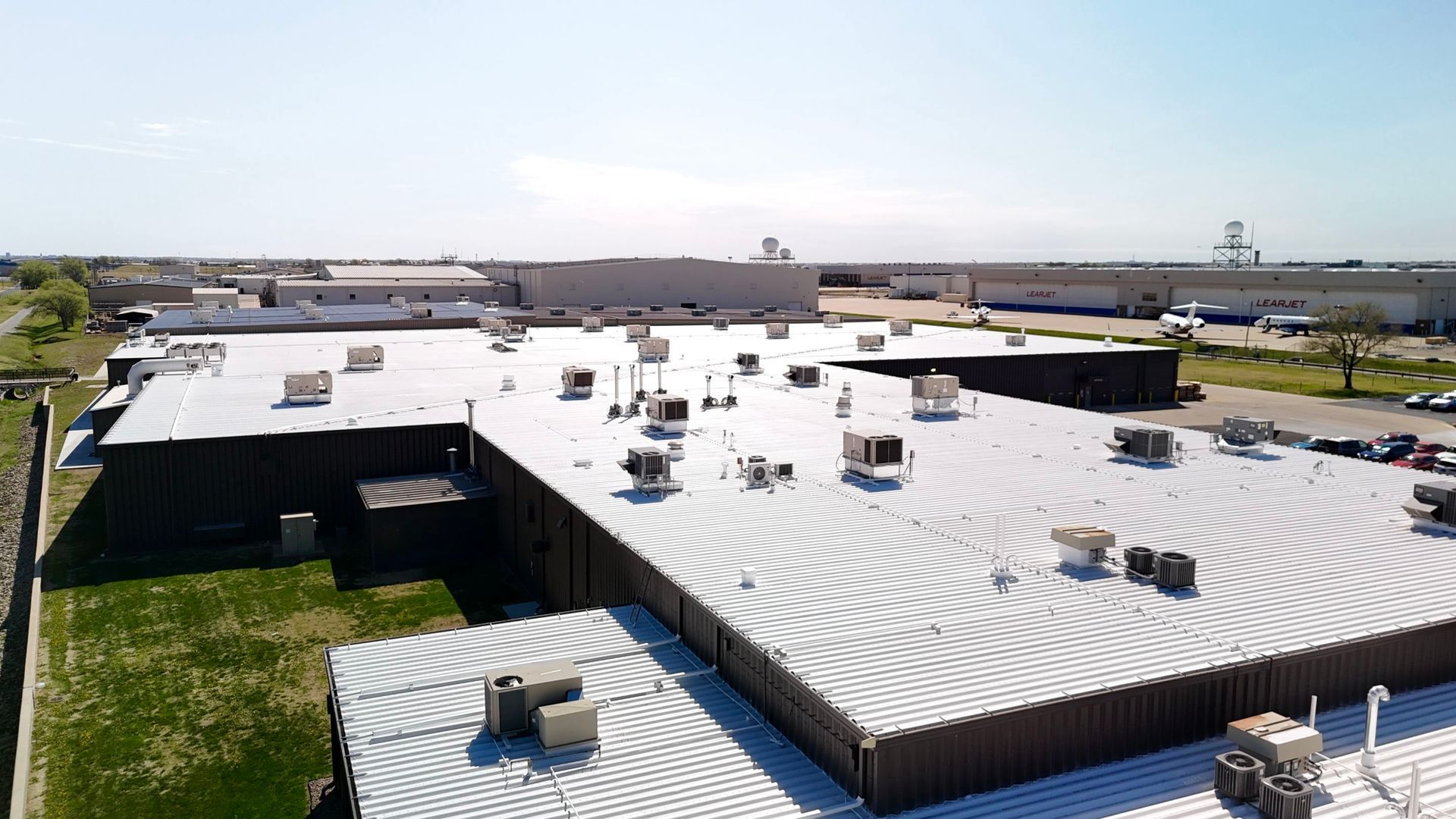
Commercial roof coatings restore weathered membrane surfaces, seal minor cracks and seam separations, and create a reflective barrier that reduces thermal stress on the underlying roof assembly. Draper Construction & Commercial Roofing applies elastomeric, acrylic, and silicone coatings to commercial roofs in Oklahoma City where UV exposure, thermal cycling, and weather exposure degrade membranes faster than in milder climates. Coating application offers an alternative to full replacement when the roof structure and insulation remain sound but the top membrane layer shows age-related wear that will lead to leaks and failure without intervention.
The coating process involves cleaning the existing roof surface to remove dirt, biological growth, and loose material, repairing any damaged areas or open seams, then applying multiple coats of the selected system to build thickness and create a seamless protective layer. Acrylic coatings provide excellent reflectivity and are cost-effective for roofs with minimal ponding, while silicone coatings resist standing water and maintain flexibility across Oklahoma's temperature range, and elastomeric systems offer superior elongation that accommodates building movement.
Schedule a roof assessment to determine whether your existing system is a candidate for coating restoration or requires more extensive repairs.
Commercial roof coatings
Great value, great savings
Call (405) 972-5199
What Changes After Coating Application
Surface preparation includes power washing to remove contaminants, priming areas where adhesion is critical, addressing every penetration with reinforcing fabric, and ensuring the substrate is completely dry before coating begins. The coating is applied with rollers or sprayers in multiple passes that build to the specified mil thickness, typically twenty to thirty mils dry film depending on the warranty requirements and existing roof condition, with each layer curing before the next is applied.
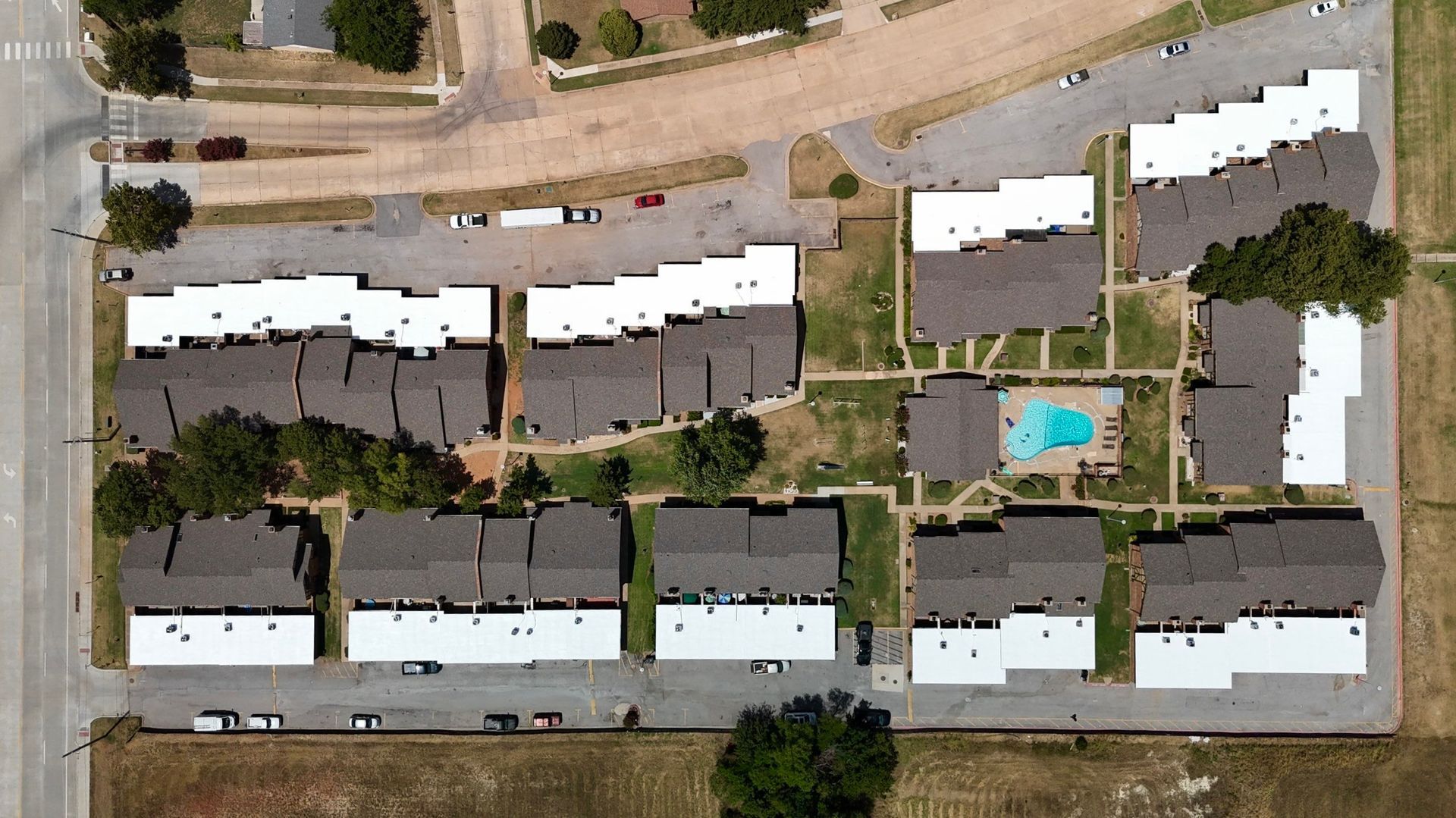
Once the coating cures, the roof surface appears uniform and seamless, reflects significantly more sunlight than the aged membrane underneath, and sheds water more effectively due to improved surface tension. Interior temperatures often drop because less heat transfers through the roof assembly, and minor cracks or seam gaps that were beginning to leak are now sealed under the monolithic coating layer that flexes with the building rather than splitting open.
Roof coatings extend membrane life by ten to fifteen years when applied to structurally sound systems, but they cannot compensate for saturated insulation, failed fasteners, or widespread membrane deterioration. The decision to coat versus replace depends on core sample analysis that reveals whether the assembly beneath the visible surface remains dry and intact or whether moisture intrusion has already compromised the system's integrity.
What Property Owners Usually Ask
Questions about coating systems typically focus on application timing, durability expectations, and whether coatings address specific roof problems effectively
What roof conditions can coatings fix?
Coatings seal surface cracks, small punctures, and minor seam separations while providing UV protection and reflectivity, but they cannot repair saturated insulation, structural damage, or extensively deteriorated membranes where the base system has failed beyond surface-level issues.
How long does a roof coating last before recoating is needed?
Quality coating systems last ten to twenty years in Oklahoma City depending on UV exposure, foot traffic, and maintenance practices, with periodic recoating extending the original membrane's life far beyond its uncoated service expectancy.
When is the best time to apply roof coatings?
Coating application requires dry conditions and moderate temperatures, making late spring and early fall ideal in Oklahoma City when humidity is lower, temperatures stay within the product's application range, and sudden storms are less frequent than during peak summer months.
Do roof coatings reduce cooling costs?
Reflective coatings lower surface temperatures by thirty to fifty degrees compared to dark aged membranes, reducing heat transfer into the building and decreasing the cooling load during Oklahoma's extended summer season when air conditioning represents the largest energy expense.
What preparation does the roof need before coating?
The surface must be thoroughly cleaned, all repairs completed, and moisture content verified below acceptable levels, with failed seams re-sealed, penetrations properly flashed, and any ponding areas addressed through drainage improvements before coating is applied.
Draper Construction & Commercial Roofing evaluates commercial roofs throughout Oklahoma City to determine whether coating restoration offers a cost-effective alternative to replacement. Contact us for an inspection that includes moisture testing and analysis of your roof's suitability for coating application.